
Operation Lyari
Pakistan’s Decade Long Crackdown on Karachi’s Gang Violence

Operation Lyari was a real multi-phase Pakistani government-led security campaign to dismantle powerful criminal gangs and crime syndicates that had turned Lyari one of Karachi’s oldest and most densely populated neighborhoods in Sindh province into a battleground of extortion drug trafficking targeted killings kidnappings and arms smuggling. Often called the Mother of Karachi Lyari has deep cultural roots with a strong Baloch and Sindhi heritage including a famous football tradition. However from the late 1990s through the early 2010s it became synonymous with brutal gang warfare where armed groups effectively ruled parts of the area like parallel governments often with political patronage.
The operation formed part of the broader Karachi Operation aimed at restoring law and order in Pakistan’s largest city which suffered from ethno-political violence militant activities and organized crime. Lyari’s gangs particularly those linked to the People’s Aman Committee controlled lucrative rackets in drugs extortion and smuggling clashing with rivals and sometimes state forces.
Background: Rise of the Gangs
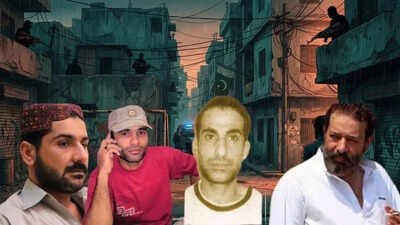
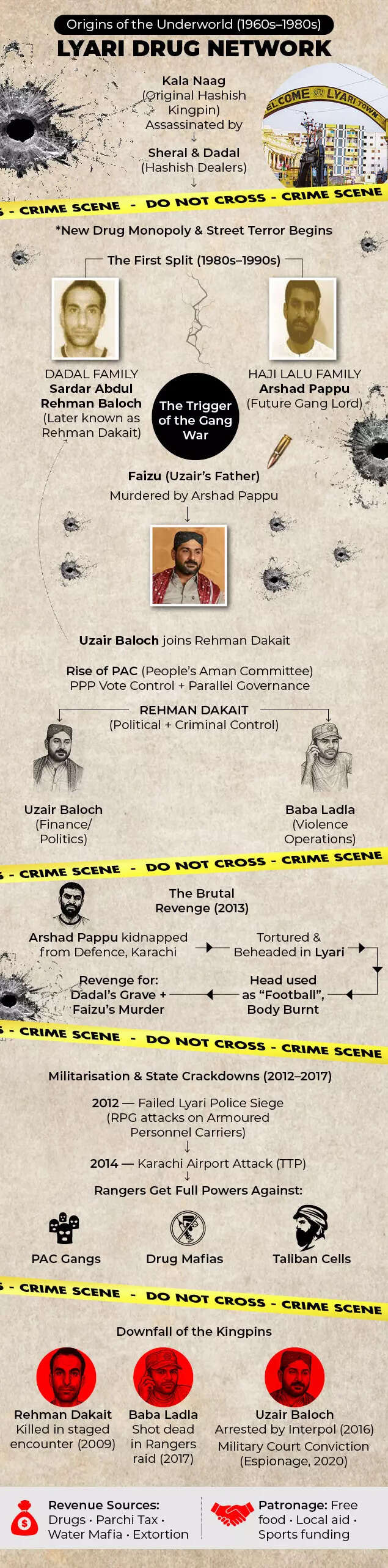
Lyari’s descent into violence began in the 1980s and 1990s with small-scale drug and extortion networks. Key figures included Haji Lalu Dadal Baloch and later Rehman Dakait also known as Rehman Commando who built empires through alliances and rivalries. By the 2000s gangs like those led by Rehman Dakait Arshad Pappu Uzair Jan Baloch son of a transporter who rose to avenge his father’s death and Noor Muhammad alias Baba Ladla dominated. These groups had ties to political parties notably the Pakistan Peoples Party which allegedly used them as muscle against rivals like the Muttahida Qaumi Movement. The area saw thousands of deaths from 2000 to 2010 with gang wars turning streets into war zones and residents living under fear.
Phase 1: The 2012 Operation Failed Police-Led Crackdown
The first major push often specifically called Operation Lyari began on April 24 to 27 2012 under the PPP-led Sindh government and Interior Minister Rehman Malik. Thousands of Sindh Police officers backed by armored vehicles and paramilitary units launched raids to arrest or eliminate gang leaders particularly from the People’s Aman Committee linked to Uzair Baloch.
Initial progress was made but gangs mounted fierce resistance with rocket-propelled grenades heavy gunfire barricades and even anti-aircraft weapons. The week-long siege caused dozens of deaths including civilians police and gang members injuries and displacement. High casualties protests from local women and children and political backlash led to a 48-hour suspension on May 4 2012. The operation ended without capturing major leaders and was widely seen as a failure exposing the state’s limited control and the gangs’ entrenchment.
Phase 2: 2013 Onward Rangers-Led Sustained Campaign
After the 2013 federal elections brought the Pakistan Muslim League-Nawaz government under Prime Minister Nawaz Sharif a more aggressive and prolonged operation restarted on September 7 2013. The Pakistan Rangers Sindh a paramilitary force took the lead with expanded powers for raids arrests and encounters supported by police.
This phase targeted gang strongholds through cordon-and-search operations intelligence-led strikes and prolonged presence. Key milestones included arrests and killings of high-profile figures like Baba Ladla killed in a February 2017 Rangers raid in Phool Patti Lane after a 30-minute gun battle capture of Uzair Baloch extradited from abroad and later held on charges including espionage and seizure of large weapons caches ammunition and dismantling of extortion networks. The operation extended into the mid-2010s and beyond with some activities continuing until around 2023.
Outcomes and Legacy
The sustained effort achieved notable success. Lyari saw an estimated 80 percent decline in crime rates the end of large-scale gang wars and a return to relative normalcy for residents. Extortion targeted killings and street battles dropped sharply allowing schools hospitals and community life to resume. However low-intensity violence occasional clashes and underlying issues like poverty unemployment and political patronage persisted.
Critics highlighted human rights concerns including allegations of extrajudicial killings enforced disappearances and political motivations targeting groups tied to opposition parties. Figures like police encounter specialist Chaudhry Aslam Khan killed in a 2014 suicide bombing became controversial icons in the crackdown.
Operation Lyari remains a landmark in Pakistan’s fight against organized crime in urban areas. It gained renewed global attention in 2025 through the Bollywood film Dhurandhar which draws inspiration from Lyari’s gang wars the 2012 siege and real figures like Rehman Dakait and Chaudhry Aslam though the movie adds fictional elements for drama. Today Lyari is safer than its peak violent years but the scars of its past and the need for socio-economic reforms continue to shape its story.